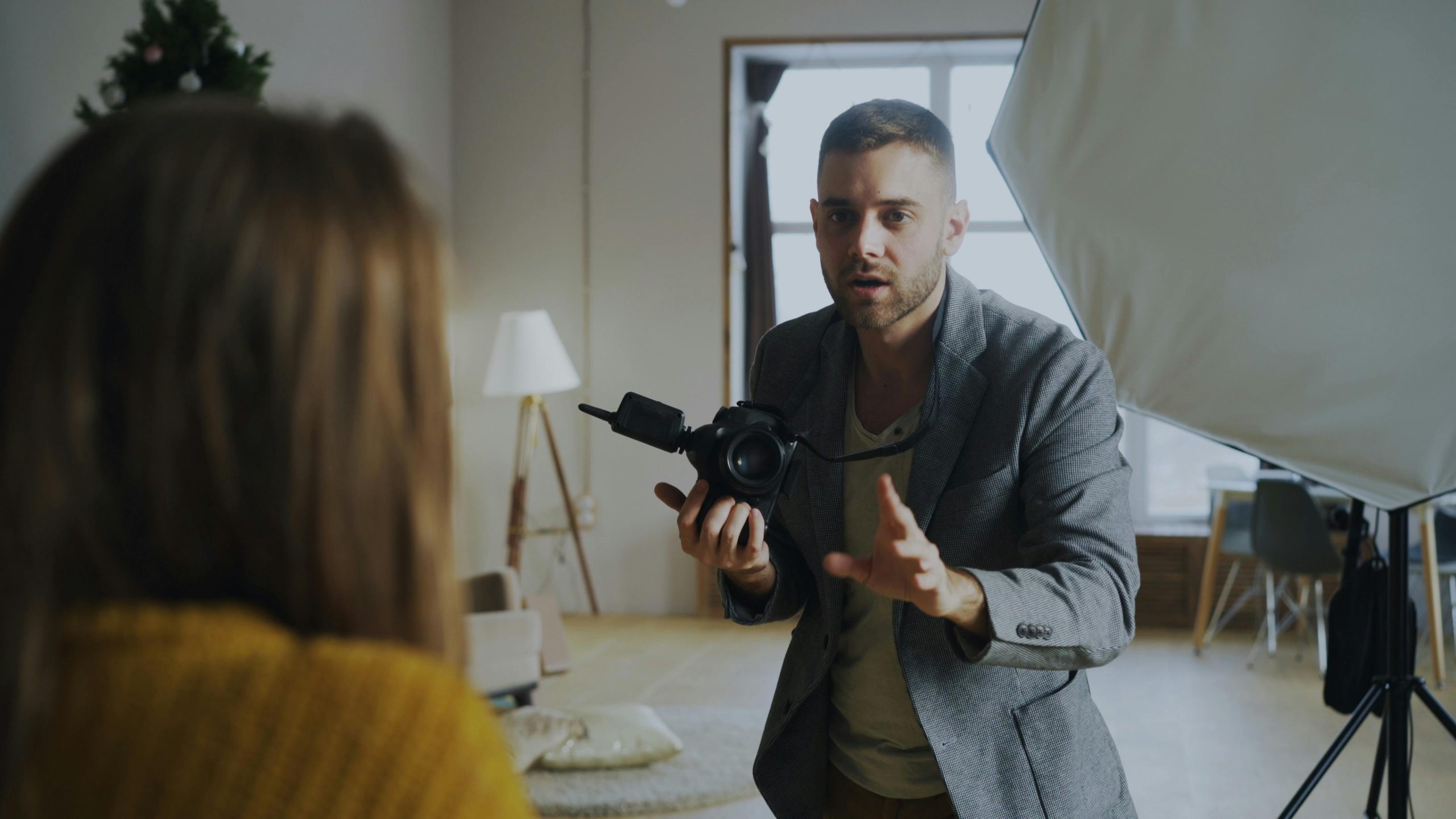

If you hired a photographer, you probably assume you own the photos. In most cases, you don’t.
By default, the photographer owns the copyright—even if you paid for the shoot. What you typically receive is a license to use the images, not ownership of them.
This distinction matters, especially if you plan to use the photos for marketing, ads, or commercial purposes.
Who Actually Owns the Copyright?
Under copyright law, the person who creates the image owns it—unless there’s a written agreement stating otherwise.
That means:
- The photographer owns the copyright
- You (the client) receive usage rights based on your agreement
Paying for the shoot does not automatically transfer ownership.
What You’re Actually Paying For
When you hire a photographer, you’re usually paying for:
- Their time and expertise
- The production of the images
- A license to use the final photos
That license defines:
- Where you can use the images (social media, website, ads)
- How long you can use them
- Whether the use is commercial or personal
If these terms aren’t clearly defined, you’re operating in a gray area.
When Do You Own the Copyright?
You only own the copyright if one of the following is true:
- There is a written agreement transferring copyright
This must be explicit—verbal agreements are not enough. - The work qualifies as “work made for hire”
This is rare for photographers unless very specific legal conditions are met.
Without one of these, the photographer retains ownership.
What Is “Work Made for Hire” (And Why It Rarely Applies)
“Work made for hire” is often misunderstood.
For photography, it only applies if:
- There is a written agreement stating it’s a work for hire and
- The work falls into specific legal categories (which most photos don’t)
In practice, most photography work is not considered work for hire.
What This Means for You (As the Client)
If you don’t own the copyright, your rights are limited to what your license allows.
You may not be allowed to:
- Use the photos in ads (without a commercial license)
- Resell or redistribute the images
- Transfer the images to third parties
- Use the images indefinitely
If you go beyond your license, you could be infringing on the photographer’s copyright—even if you paid for the shoot.
How to Avoid Problems Upfront
The best way to avoid confusion is to define everything before the shoot.
- Get the license in writing
Make sure usage rights are clearly defined. - Ask about commercial use
If you plan to use the photos for business, confirm that’s included. - Clarify ownership if it matters
If you want full ownership, negotiate a copyright transfer. - Understand limitations
Know what you can and cannot do with the images.
Clear agreements prevent disputes later.
What Happens If You Use Photos Outside Your License
If you use the images beyond what was agreed, the photographer may:
- Request that you stop using them
- Send a demand for additional licensing fees
- Take legal action in more serious cases
These situations are often resolved through structured agreements before escalating further.
If You Receive a Claim From a Photographer
If a photographer contacts you about unauthorized use, don’t ignore it.
In most cases, you’ll have options:
- Stop using the images
- Pay for expanded licensing rights
- Resolve the issue through a structured agreement
Platforms like RightsLoop are designed to facilitate this type of resolution—giving both sides a clear, efficient way to settle the issue without confusion or prolonged negotiation.
- Pre-structured agreements
- Clear resolution terms
- Defined outcomes (license or removal)
Handling it early is almost always faster and more cost-effective than letting it escalate.
Common Misconceptions
- “I paid for it, so I own it”
Not true—payment does not equal ownership. - “I can use the photos however I want”
Only within the scope of your license. - “This only matters for big companies”
It applies to anyone using professional photography. - “We didn’t sign anything, so I’m fine”
That actually creates more risk, not less.
FAQ: Hiring a Photographer and Copyright
- Do I own photos I paid for?
Usually no. The photographer owns the copyright unless it’s transferred in writing. - Can I use the photos for my business?
Only if your license allows commercial use. - What is a licensing agreement?
It defines how you’re allowed to use the images. - Can I buy full ownership?
Yes, but it must be explicitly agreed to and is usually more expensive. - What if there was no contract?
The photographer still owns the copyright by default. - Can I edit the photos?
Only if your license allows it. - What should I do if there’s a dispute?
Resolve it quickly through clear terms or a structured agreement.
Ownership vs. Usage: Know the Difference
Hiring a photographer doesn’t automatically give you ownership—it gives you access.
If you want full control, you need to negotiate for it. Otherwise, your rights are defined by your license.
Understanding this upfront—and handling any issues quickly if they arise—will save you time, money, and unnecessary conflict.